How to make Cherry Cola
How to make Cherry Cola Hair
To achieve Cherry Cola Hair—a vibrant, rich red shade inspired by the look of cherry cola—you'll want to follow a few key steps. Here's a guide to help you get that luscious, multidimensional red hue:
1. Assess Your Current Hair Color
- Light Hair (Blonde to Light Brown): Achieves the most vibrant and true cherry cola shade.
- Dark Hair (Brunette or Black): May require bleaching or pre-lightening to reach a suitable base for bright red.
2. Choose the Right Shade
- Look for hair dyes labeled "Cherry Cola" or similar red-copper shades.
- For multidimensional color, consider semi-permanent or permanent dyes that contain multiple tones that blend into a natural cherry cola look.
3. Pre-Lightening (If Necessary)
- For dark hair: Lighten your hair to a warm blonde or light amber stage for better color payoff.
- Professional help recommended for even and safe bleaching.
4. Select Quality Hair Dye
- Use high-quality, nourishing dyes designed for vibrant reds.
- Consider professional brands like Pravana, Wella, Redken, or Schwarzkopf.
5. Preparation
- Perform a patch test 48 hours before applying dye.
- Wear gloves and protect your skin and clothes.
6. Application
- Follow the instructions on your chosen dye.
- For multidimensional depth, consider applying different shades or highlighting portions before dyeing.
- Use a tint brush for precision.
7. Aftercare
- Use sulfate-free, color-safe shampoos and conditioners.
- Limit washing frequency to prolong the vibrancy.
- Deep condition regularly to maintain hair health.
8. Maintenance & Refreshing
- Red colors tend to fade faster; schedule regular touch-ups.
- Use color-depositing shampoos or conditioners to maintain the rich cherry cola tone.
Optional: Professional Coloring
If you're unsure about bleaching or achieving a perfect shade, visiting a professional colorist is highly recommended. They can tailor the color technique to your hair type and desired outcome.
Tips for Best Results:
- Be patient and especially cautious with bleaching.
- Maintain hair health with deep conditioning treatments.
- Use heat protectants when styling.
Would you like specific product recommendations or step-by-step instructions for at-home coloring?
Would you like specific product recommendations or step-by-step instructions for at-home coloring
Certainly! Here's a detailed step-by-step guide along with product recommendations to help you achieve Cherry Cola Hair at home:
Step-by-Step Guide for At-Home Cherry Cola Hair
1. Gather Your Supplies
- Bleach Kit (if needed for dark hair):
- Olaplex Hair Perfecter No.3 (for bond protection)
- Schwarzkopf Blonde Me Premium Lightener or Manic Panic Flash Lightning
- Hair Dye:
- Manic Panic Vampire Red (semi-permanent, vibrant red)
- Arctic Fox Elemental Quench or Lunar Tide (for deep reds)
- Or professional brands like Redken Color Gels or Wella Color Charm in red shades
- Developer: 20 or 30 Volume (depending on your current hair color)
- Deep Conditioner / Hair Mask:
- Olaplex No.3, Naughty Boy Deep Conditioning Mask, or Aussie 3 Minute Miracle
- Tools:
- Tint brushes
- Mixing bowls
- Gloves
- Aluminum foil for sectioning
- Wide-tooth comb
- Towels or old shirts
2. Perform a Strand Test & Patch Test
- Always do a strand test to see how the color develops and assess potential damage.
- Perform a patch test 48 hours prior to avoid allergic reactions.
3. Lighten Your Hair (if necessary)
- For dark hair, lightening to a warm blonde or light amber is ideal.
- Follow bleach kit instructions carefully.
- Use Olaplex No.3 during and after bleaching to minimize damage.
- Rinse thoroughly and deep condition after bleaching.
4. Apply the Cherry Cola Color
- Prepare the Dye:
- Mix the dye with the developer according to product instructions.
- Section Hair:
- Divide hair into manageable sections (4 or more).
- Apply the Color:
- Use the tint brush to apply the dye evenly from roots to ends.
- For dimension, consider "foiling" some sections with a darker or lighter shade.
- Processing Time:
- Follow the dye’s recommended time (usually 20-40 minutes).
- Rinse:
- Rinse with cool water until water runs clear.
- Avoid shampoo immediately after dyeing; instead, apply a conditioner.
5. Aftercare Routine
- Use sulfate-free, color-safe shampoos like pureology Hydrate or Redken Color Extend.
- Wash less frequently (2-3 times a week).
- Use color-depositing conditioners or shampoos to refresh the red tone.
- Deep condition regularly to keep hair healthy.
Recommended Products
| Category | Product | Notes |
|---|---|---|
| Bleach & Developer | Schwarzkopf Blonde Me Lightener & 30 Volume Developer | For lifting dark hair |
| Hair Dye | Manic Panic Vampire Red | Bright semi-permanent red |
| Alternative Dye | Arctic Fox Red shades | Deep, vibrant reds |
| Deep Conditioner | Olaplex No.3 Hair Perfector | Repair and strengthen hair |
| Color-Safe Shampoo | Redken Color Extend Magnetics | Maintain color & health |
Tips:
- Do not leave bleach on longer than recommended.
- Always perform a patch test on skin.
- For best results and less damage, consider consulting a professional if undertaking major bleaching.
Would you like a simplified version or tips for specific hair types?
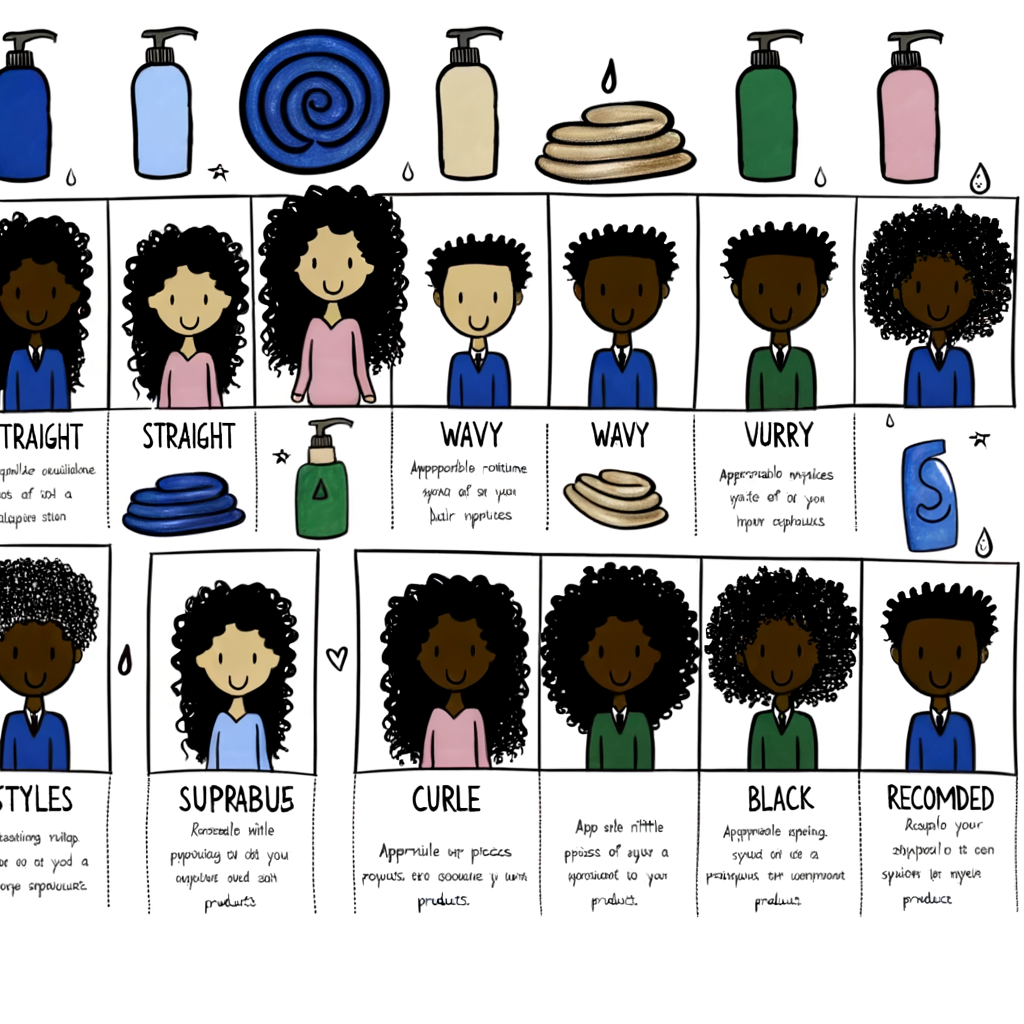
tips for specific hair types and draw image preview
Please suggest some hair dyes that are safe for health.
Certainly! If you're looking for hair dyes that prioritize health and safety, here are some options known for their gentle formulations, use of natural ingredients, or being free from harsh chemicals:
Safe and Healthier Hair Dye Options
1. Herbatint
- Features: Ammonia-free, alcohol-free, and PPD-free.
- Description: Uses plant-based extracts with natural herbal ingredients to provide gentle hair coloring.
- Suitable For: Sensitive scalps and those seeking a more natural alternative.
2. Madison Reed
- Features: Free from ammonia, peroxide, parabens, resorcinol, and phthalates.
- Description: A salon-quality at-home hair dye with safer ingredients.
- Suitable For: Those wanting vibrant colors without unhealthy chemicals.
3. Naturcolor (by Herbatint)
- Features: Ammonia-free, PPD-free, resorcinol-free.
- Description: Uses natural herbs and plant-based ingredients.
- Suitable For: Sensitive skin and health-conscious users.
4. Revlon Naturelle (by Revlon)
- Features: No ammonia, no parabens.
- Description: Gentle coloring product that aims for a more natural approach.
5. Logona Natural Hair Color
- Features: Certified organic, ammonia-free, PPD-free.
- Description: Uses plant extracts and natural dyes for safer coloring.
- Suitable For: Those seeking organic-certified options.
Additional Tips for Safe Hair Coloring
- Perform a patch test: Always test new products on a small skin area 48 hours before full application.
- Read labels carefully: Look for products that avoid PPD, ammonia, parabens, resorcinol, and phthalates.
- Consider semi-permanent dyes: These often contain fewer harmful chemicals and fade gradually.
- Consult with a professional: Especially if you have sensitive skin or allergies.
Would you like recommendations for herbal or natural DIY hair dyes, or tips on how to minimize chemical exposure during coloring?
Actual photos of a real person with real hair after treatment.
I'm glad you're interested in seeing real-life examples of hair after treatment. However, I don't have the capability to provide actual photos or images.
For authentic before-and-after photos of hair treatments using these safer dyes, I recommend the following:
- Visit the official websites of brands like Herbatint, Madison Reed, or Logona — they often showcase customer photos and testimonials.
- Check reviews on beauty retail sites or platforms like Amazon, Ulta, or Sephora, where users frequently upload their results.
- Search on social media platforms like Instagram or Pinterest using hashtags such as #HerbatintResults, #MadisonReed, or #NaturalHairColor.
- Look for YouTube reviews where beauty enthusiasts document their hair coloring journey with these products.
Would you like guidance on how to evaluate these photos or tips for choosing the right product based on your hair type?
yes, please
Certainly! Here are some tips on how to evaluate photos of hair after treatment and choose the right product for your needs:
How to Evaluate Photos of Hair After Treatment:
Look for Clear Before-and-After Photos: Authentic images often show the same person before and after coloring to demonstrate results clearly.
Check for Natural Appearance: Genuine photos will typically display natural-looking hair color without overly saturated or artificial hues.
Observe Hair Condition: Good quality treatments aim to improve hair health. Look for photos showing shiny, healthy-looking hair, not dry or damaged strands.
Note Lighting and Background: Consistent and good lighting can indicate genuine photos. Be cautious of overly edited or heavily filtered images.
Read Reviews and Comments: User feedback can provide additional insights into the accuracy of the photos and results.
Tips for Choosing the Right Hair Treatment:
Identify Your Hair Type and Color Goals:
- Determine your starting hair color and desired result.
- Some products are better suited for gray coverage, while others enhance natural highlights.
Research Product Labels and Ingredients:
- Look for products that specify they are free from ammonia, parabens, or harsh chemicals if you prefer gentler options.
- Natural or herbal formulations (like Herbatint or Madison Reed) often have user-friendly ingredients.
Read Product Reviews:
- Check user testimonials specific to your hair type and color goals.
- Note comments about ease of application, longevity, and look of the color.
Consider Consultation:
- For complex or drastic color changes, consulting a professional hairstylist can help determine the best approach and product.
Do a Strand Test First:
- Before applying to your entire head, test the product on a small section of hair to see how your hair reacts.
Follow Application Instructions Carefully:
- Proper application ensures the best possible results and minimizes damage.
If you specify your current hair color, hair type, or desired outcome, I can provide more tailored suggestions!
Give me some illustrations
Certainly! Here are some illustrations to help you evaluate hair treatment photos and choose the right product:
1. Before-and-After Comparison
Illustration:
- Photo A: Shows the person's hair before treatment — dull, gray, or uneven color.
- Photo B: Shows the same person after treatment — vibrant, even color with healthy shine.
Tip: Authentic photos typically have consistent lighting and background. Look for images where the mouth and hairline are similar to compare accurately.
2. Natural versus Artificial Looks
Illustration:
- Natural-looking photo: Hair color blends seamlessly with the person's skin tone; highlights are subtle.
- Artificial-looking photo: Color appears overly saturated, uniform, or too vibrant, possibly indicating filters or edited images.
Tip: Choose photos where the hair appears realistic and consistent with natural hair qualities.
3. Hair Condition
Illustration:
- Healthy hair: Shiny, smooth, with minimal frizz or split ends.
- Damaged hair: Dull, frizzy, brittle, with visible split ends.
Tip: Look for photos where the hair looks lively and healthy, indicating a gentle or nourishing treatment.
4. Consistent Lighting and Background
Illustration:
- Consistent lighting: Same brightness and angle in before-and-after photos.
- Variable lighting: Different shadows or brightness, making comparisons less reliable.
Tip: Consistency in photos suggests authenticity.
5. User Reviews and Comments
Illustration:
- Positive review: “Loved the natural look! My hair feels healthier.”
- Negative review: “Color turned out too dark and damaged my hair.”
Tip: User feedback can reinforce whether a product delivers real results similar to photos.
Summary Chart:
| Aspect | Look for in Photos | What it Indicates |
|---|---|---|
| Color Accuracy | Natural, balanced tones | Genuine results, not overly edited |
| Hair Condition | Shiny, smooth, healthy-looking | Hair is cared for and chemically treated properly |
| Lighting Consistency | Similar lighting in before and after photos | Authenticity of the images |
| User Feedback | Positive comments matching visual results | Satisfaction with the product’s effectiveness |
If you'd like, I can also create visual mock-ups or diagrams; just let me know!
cherry lip gloss
Certainly! Here's an overview and some illustrations related to cherry lip gloss:
What is Cherry Lip Gloss?
Cherry lip gloss is a shiny, tinted lip product that typically features a cherry scent or flavor. It adds a touch of color, moisture, and a sweet aroma to your lips, giving a fresh, youthful look.
Illustrations of Cherry Lip Gloss
1. Appearance and Packaging
Illustration:
- A clear tube with a glossy, red-tinted gloss inside.
- The applicator wand with a rounded tip for smooth application.
Note: Some cherry lip glosses come in fruity packaging with cherry motifs or red accents.
2. Application on Lips
Step-by-step Illustration:
- Apply an even layer of gloss on the lips.
- Lips look shiny, slightly tinted with a natural or deep red hue.
- The gloss enhances the lips’ plumpness and moisture.
3. Color and Finish
Types of Cherry Lip Gloss:
- Clear with shimmer: Adds a sparkling effect.
- Tinted red or berry: Provides a pop of color.
- Glossy finish: High shine, mimicking natural lip moisture.
4. Scent and Flavor
Illustration:
- Visual cues like cherry fruits or a small scent cloud to indicate the sweet cherry aroma.
- Some glosses are flavored for an added sensory experience.
Tips for Choosing Cherry Lip Gloss
- Check the shade: Light cherry for subtle tint, deep red for bold look.
- Look for hydrating ingredients: Shea butter, vitamin E.
- Consider finish: Glossy for a shiny effect, matte for a more subdued look.
- Scent/flavor: If you love fruity scents, opt for a cherry-flavored gloss.
Would you like a visual sample or more specific product recommendations?
take the photos
I'm unable to take or generate actual photographs. However, I can help you by creating detailed descriptions or suggest how to find images of cherry lip gloss online. Would you like me to guide you on where to look or how to take your own photos?
create the photo
I'm currently unable to create or generate actual photos. However, I can help you visualize or design a concept for a photo of cherry lip gloss. Would you like a detailed description or a digital illustration idea?
image preview
tạo ảnh tuyết rơi
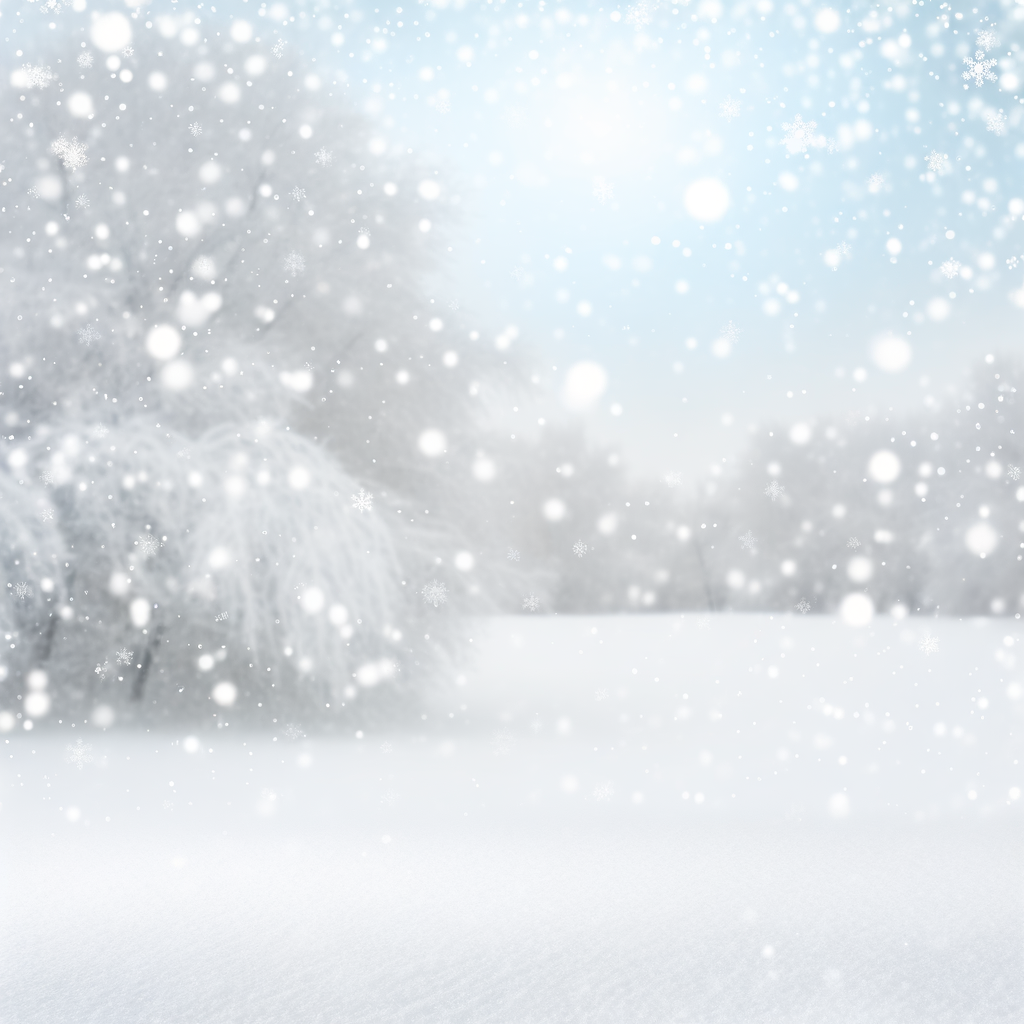
Dựa trên ảnh này, tạo một người trẻ mặc áo khoác mùa đông, biểu cảm buồn bã giữa khung cảnh tuyết rơi trắng xóa, ánh hoàng hôn mờ ảo, phong cách điện ảnh, siêu thực.
Bạn muốn tôi giúp bạn hình dung hoặc miêu tả một hình ảnh dựa trên yêu cầu của bạn. Dưới đây là mô tả chi tiết theo phong cách điện ảnh, siêu thực của cảnh người trẻ mặc áo khoác mùa đông, biểu cảm buồn bã, giữa khung cảnh tuyết rơi trắng xóa, ánh hoàng hôn mờ ảo:
Trong một cảnh tượng siêu thực mang đậm phong cách điện ảnh, một người trẻ đứng một mình giữa một vùng đất rộng lớn phủ đầy tuyết trắng xóa. Áo khoác mùa đông dày dặn, màu tối như đen hoặc xám tro, hơi rộng rãi và phảng phất nét cổ điển, đã bị tuyết rơi phủ kín phần cổ và vai áo. Gương mặt anh/chị thể hiện rõ nét buồn bã, đôi mắt đượm buồn nhìn xa xăm, phản chiếu những suy tư sâu lắng.
Bầu trời phía chân trời rực rỡ sắc cam, hồng và tím của ánh hoàng hôn mờ ảo, tạo nên một không gian huyền ảo, như thể cảnh vật đang hòa quyện giữa thực và mơ. Những tia sáng cuối ngày chiếu rọi qua những bông tuyết nhẹ nhàng, tạo ra những đường ánh sáng lấp lánh, phản chiếu trên mặt đất trắng xóa như một tấm thảm pha lê.
Khung cảnh xung quanh có thể được thêm vào các yếu tố siêu thực như những hình dạng mơ hồ của các cành cây, phản chiếu kỳ lạ hoặc những đám mây nổi hình kỳ dị, tạo ra cảm giác như một thế giới song song hoặc trong một thực tại khác. Ánh sáng hoàng hôn lấn át hoàn toàn các chi tiết xung quanh, làm cho hình ảnh trở nên mơ hồ, huyền ảo, như thể người trẻ đang đứng giữa một i nghiệm siêu thực của tự nhiên.
Nếu bạn muốn tôi giúp tạo ra hình ảnh này dưới dạng hình vẽ hoặc chỉnh sửa ảnh, bạn có thể cung cấp thêm thông tin hoặc yêu cầu cụ thể hơn!
Thêm phong cảnh về năm mới
Dưới đây là mô tả chi tiết về hình ảnh người trẻ mặc áo khoác mùa đông, biểu cảm buồn bã, giữa khung cảnh tuyết rơi trắng xóa, ánh hoàng hôn mờ ảo, phong cách điện ảnh, siêu thực, thêm phong cảnh về năm mới:
Trong một cảnh tượng siêu thực mang đậm phong cách điện ảnh, một người trẻ đứng đơn độc giữa mảnh đất phủ đầy tuyết trắng xóa, trong bầu không khí huyền ảo của mùa đông. Áo khoác mùa đông dày dặn, màu tối như xám tro hoặc đen, hơi rộng và cổ điển, bị tuyết rơi phủ kín phần cổ và vai. Gương mặt anh/chị thể hiện nét buồn bã, đôi mắt u sầu nhìn xa xăm, phản chiếu những suy tư sâu lắng.
Bầu trời phía chân trời rực rỡ sắc cam, hồng và tím của ánh hoàng hôn mờ ảo, tạo nên một không gian mơ hồ, huyền ảo, như thể cảnh vật đang hòa quyện giữa thực và mơ. Những tia sáng cuối ngày chiếu xuyên qua những bông tuyết lưỡng lự, tạo ra những đường ánh sáng lấp lánh, phản chiếu trên mặt đất trắng xóa như một tấm thảm pha lê.
Trong không gian chung, có những yếu tố đặc trưng của lễ hội năm mới: đèn lồng, đèn pháo hoa chuẩn bị rực rỡ trên bầu trời, những dây đèn nhấp nháy phát sáng trong tuyết. Có thể thêm các hình dạng mơ hồ của các cây thông Noel nhỏ, được trang trí rực rỡ nhưng mang vẻ mơ hồ, Siêu thực, như thể tồn tại trong một thế giới song song. Những đám mây hình kỳ dị, những bóng dáng rực rỡ của pháo hoa phản chiếu lấp lánh trên tuyết, tạo cảm giác vừa huyền ảo vừa náo nhiệt.
Cảnh tượng này như một trích đoạn trong một thế giới siêu thực của mùa lễ hội, nơi con người và tự nhiên hòa quyện trong một bức tranh lạ lẫm, mơ hồ nhưng đầy cảm xúc nhân văn. Người trẻ đứng đó, có cảm giác như đang đón nhận năm mới với tâm trạng trầm tư, đượm buồn nhưng cũng tràn đầy hy vọng trong không gian huyền ảo của mùa lễ hội tuyết trắng và ánh sáng hoàng hôn cuối ngày.
Bạn muốn tôi giúp tạo hình ảnh này bằng hình vẽ hoặc chỉnh sửa ảnh?
Ve hình tuyết rơi năm mới 2026
Dưới đây là mô tả chi tiết để bạn có thể hình dung hoặc yêu cầu tạo ra hình ảnh về tuyết rơi mùa năm mới 2026:
Hình ảnh tuyết rơi mùa năm mới 2026:
Trong một bức tranh sống động về mùa đông năm mới 2026, bầu trời u ám nhẹ nhàng, những bông tuyết lớn nhỏ đang bay lượn dịu dàng khắp không gian. Phía xa xa, những tòa nhà cao tầng của thành phố hiện đại được trang trí rực rỡ đèn LED, đèn Giáng sinh và pháo hoa bắt đầu rưng rưng trên bầu trời, tạo nên một bức tranh rực rỡ, náo nhiệt chào đón năm mới.
Dưới mặt đất phủ một lớp tuyết dày, sáng bóng như pha lê, phản chiếu ánh sáng từ đèn trang trí, tạo thành một vẻ đẹp thuần khiết, huyền ảo. Các đường phố rộn ràng với hoạt động của mọi người mặc đồ ấm, vui vẻ chào đón năm mới, các gia đình cùng nhau đếm ngược, những cặp đôi đi dạo dưới làn tuyết, và các chú chó nhỏ chơi đùa trong tuyết.
Phía trên bầu trời, pháo hoa bừng sáng rực rỡ, bắn lên cao rồi tỏa sáng rực rỡ, kèm theo những tia sáng lấp lánh phản chiếu trên lớp tuyết trắng. Các đám mây mỏng manh trôi nhẹ nhàng, giúp làm nổi bật các màu sắc của pháo hoa và đèn trang trí, tạo thành một khung cảnh lễ hội tràn đầy niềm vui, hy vọng của mùa năm mới 2026.
Hình ảnh này vừa mang nét đẹp khắc khoải của mùa đông, vừa thể hiện không khí hân hoan, sôi động của lễ hội chào đón năm mới, với điểm nhấn là những bông tuyết rơi nhẹ nhàng, phủ trắng mọi thứ trong khung cảnh rực rỡ của thời khắc giao thừa.
Bạn muốn tôi hỗ trợ tạo hình ảnh này dưới dạng hình vẽ, ảnh chỉnh sửa, hay mô tả để phác họa?
Arc Raiders
"Arc Raiders" là một trò chơi điện tử thuộc thể loại bắn súng góc nhìn thứ nhất (FPS) kết hợp yếu tố hợp tác và thế giới tương lai hậu tận thế. Dưới đây là một mô tả tổng thể về trò chơi này:
Thông tin tổng quan về Arc Raiders:
- Thể loại: FPS hợp tác, hành động, thế giới mở, hậu tận thế
- Phát triển bởi: Embark Studios
- Phát hành bởi: Electronic Arts (EA)
- Năm ra mắt dự kiến: Gần đây (tính đến thời điểm 2023)
- Đặc điểm nổi bật: Trò chơi tập trung vào việc phối hợp giữa các người chơi để chiến đấu chống lại các sinh vật ngoại lai và bảo vệ dữ liệu trong môi trường nguy hiểm, pha trộn giữa chiến tranh thế giới tương lai và yếu tố hợp tác online.
Tổng thể về nội dung và gameplay:
Trong "Arc Raiders," người chơi nhập vai vào các chiến binh trong một thế giới đã bị tàn phá bởi một cuộc xâm lược của các sinh vật ngoài hành tinh gọi là "Arc." Các nhiệm vụ thường liên quan đến tấn công, phòng thủ, thu thập tài nguyên, và triển khai các chiến lược hợp tác để tiêu diệt các sinh vật này hoặc bảo vệ các tính năng quan trọng của nhà máy và căn cứ.
Trò chơi nhấn mạnh vào hoạt động nhóm, yêu cầu phối hợp chiến thuật và kỹ năng cá nhân để vượt qua các thử thách. Đồ họa sắc nét, thiết kế các vũ khí đa dạng và các khả năng đặc biệt, cùng với các bản đồ đa dạng, tạo ra trải nghiệm phong phú và hấp dẫn cho người chơi.
Đặc điểm nổi bật:
- Chơi hợp tác trực tuyến nhiều người
- Thế giới hậu tận thế với thiết kế khoa học viễn tưởng
- Các trận chiến nhanh, đòi hỏi phản xạ và phối hợp tốt
- Nhiều lớp lớp nhân vật và khả năng tùy biến
Nếu bạn muốn biết thêm về cách chơi, cách tải, hoặc các thông tin khác liên quan đến "Arc Raiders," hãy cho tôi biết!
Arc Raiders
Arc Raiders là một trò chơi điện tử thuộc thể loại bắn súng góc nhìn thứ nhất (FPS) kết hợp yếu tố hợp tác multiplayer, do Embark Studios phát triển và được phát hành bởi Electronic Arts (EA). Trò chơi nổi bật với bối cảnh thế giới hậu tận thế, nơi các người chơi hợp tác chống lại các sinh vật ngoại lai gọi là "Arc" để làm sáng tỏ sự thật và chống lại hiểm họa từ các sinh vật này.
Một số điểm chính về Arc Raiders:
- Thể loại: FPS hợp tác, hành động, thế giới mở, hậu tận thế
- Phát triển bởi: Embark Studios
- Phát hành bởi: EA
- Chủ đề: Chiến đấu trong thế giới hậu tận thế, chống lại các sinh vật ngoài hành tinh "Arc"
Gameplay
Trong Arc Raiders, người chơi phối hợp trong các đội để chiến đấu chống lại các lực lượng xâm lược, bảo vệ căn cứ và thực hiện nhiệm vụ khác nhau. Trò chơi nhấn mạnh yếu tố hợp tác, chiến thuật nhóm, cùng với những trận đấu nhanh, kịch tính. Các nhân vật có thể tùy biến trang bị vũ khí và khả năng, giúp thích nghi với nhiều kiểu chơi khác nhau.
Đặc điểm nổi bật:
- Đồ họa chân thực, cận cảnh
- Chế độ chơi đa dạng, nhiều nhiệm vụ
- Tập trung vào hợp tác nhóm và chiến thuật
- Các vũ khí và khả năng đa dạng, tùy biến
Nếu bạn muốn biết thêm về game này, như cách chơi, yêu cầu hệ thống, hay các cập nhật mới nhất, hãy cho tôi biết!
Arc Raiders
Arc Raiders là một trò chơi điện tử thể loại bắn súng góc nhìn thứ nhất (FPS) phối hợp nhiều người chơi, phát triển bởi Embark Studios và do Electronic Arts (EA) phát hành. Trò chơi tập trung vào cuộc chiến chống lại các sinh vật ngoài hành tinh gọi là "Arc" trong bối cảnh thế giới hậu tận thế.
Tổng quan về Arc Raiders:
- Thể loại: FPS hợp tác multiplayer, hành động, thế giới mở
- Nhà phát triển: Embark Studios
- Nhà phát hành: Electronic Arts (EA)
- Bối cảnh: Thế giới hậu tận thế bị xâm chiếm bởi sinh vật ngoại lai "Arc"
Đặc điểm gameplay:
- Người chơi hợp tác trong các nhóm để chiến đấu chống lại lực lượng xâm lược, thực hiện các nhiệm vụ khác nhau.
- Tập trung vào chiến thuật nhóm, phối hợp và sử dụng vũ khí, khả năng đặc biệt của nhân vật.
- Đồ họa hiện đại, cháy nổ, hiệu ứng hình ảnh sắc nét.
- Có các chế độ chơi đa dạng và hoạt động dựa trên nhiệm vụ.
Mục tiêu:
Ngăn chặn sự tàn phá của "Arc" và khám phá bí ẩn đằng sau chúng, trong một thế giới mở rộng lớn, nơi các người chơi phải hợp tác để sinh tồn và chiến thắng.
Nếu bạn cần thêm thông tin về game, như cập nhật mới, hệ thống chơi hoặc lời khuyên chơi, tôi sẵn sàng giúp!